You have already added that item to your appointment.
You have already added that item to your appointment.
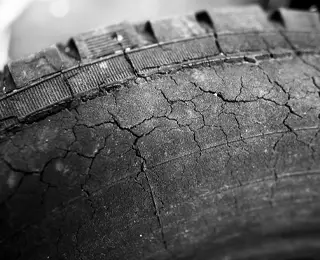
The tires on your vehicle directly impact your safety, fuel efficiency, range capacity, as well as the overall performance of your car or truck. When those tires show signs of dry rot, also known as tire cracking, weather checking, tire weathering, or ozone cracking, it can cause them to slowly lose air, go flat quickly, or unexpectedly fail. It’s not a good thing. If you’ve noticed cracks along your tire tread or sidewall, it could be tire dry rot. Let’s look at ways to spot it, prevent it, and how to keep your vehicle roadworthy.
Schedule A Tire InspectionTire dry rot is the development of cracks or discoloration due to the deterioration of the rubber along a tire’s sidewall and tread. This can be caused by exposure to sunlight, heat, cold, and more. Extreme dry rot can almost feel crumbly when the tires are decades old and/or left exposed to the elements for years.

Overall, time and the elements are the biggest factors in the development of tire dry rot. That includes weather, storage, as well as how and where you drive. Leaving tires exposed to the elements, including extreme heat and sunlight, can cause tires to rot and crumble more quickly.
Heat and direct sunlight are some of the biggest causes of tire dry rot. Cold weather can also play a role, with freezing temperatures causing the rubber to get brittle. Between hot summer temps and cold winter months, the weather in your region can cause tires to wear out more quickly than expected.
Ultraviolet light can also break down the rubber in your tires. There are some products that claim to provide your tires with a layer of protection from harmful UV light. Be cautious when buying petroleum-based tire shine or protectants, as they can degrade tires more quickly.
Changing out your tires seasonally can help prolong their longevity. Especially if you store the off-season tires indoors in Les Schwab bags. Ask about seasonal changeovers and tires at Les Schwab.
The average American vehicle is driven 15,000 miles a year. If you drive less, keep an eye on your tires. Especially if your vehicle stays parked outside of a garage (in the elements) for weeks or months at a time. Even if your vehicle is parked in a garage, the rubber can degrade, leading to dry rot and cracking. When taking your car or truck out of winter storage, use our handy checklist to ensure your vehicle and tires are roadworthy.
Even if you take the tires off an unused vehicle or store a set of seasonal tires, they can age quickly when not stored properly. Learn how to store your tires properly with tips from Les Schwab.
Do you drive on well-maintained winter roads? Your tires could be coming into contact with deicer and other chemicals, including rock salt. This can damage tires over time. Additionally, some cleaning agents not designed for tires can cause damage.
Beyond tire damage, these chemicals can also damage wheels. During the winter months, consider adding a dedicated set of winter wheels to your winter tires.
Get Winter Wheel AdviceToo much air in your tires can cause the rubber to separate over time. Additionally, too little air pressure can lead to excessive heat, which can cause the rubber to break down. Maintaining the proper air pressure can extend the life of your tires by up to 4,700 miles, according to the National Highway Traffic Safety Administration (NHTSA).
Learn How To Put Air In Your TiresTo spot early signs of tire dry rot, take a close look at your tires. Keep an eye out for cracks in the sidewall and on the tread, fading colors, and the need to continually add air to one or more of your tires.

Sidewall cracks are one of the earliest and most visible signs of tire dry rot. Because the sidewalls support the weight of your vehicle, even small cracks can compromise the integrity of your tire.
What to look for:

Your tread should stay flexible to grip the road. When cracks appear in this area, it’s a sign the rubber is drying out and becoming less pliable (becoming more prone to failure).
What to look for:

New, and/or clean tires are a deep, rich black color. As rubber ages and is exposed to sun, heat, and varying weather conditions, it often fades. This discoloration can be an early sign of dry rot.
What to look for:

If you’re constantly airing up your tires, small cracks may be allowing air to escape. Low pressure caused by dry rot can reduce fuel efficiency and increase the risk of complete tire failure while driving.
What to look for:
It is not safe to drive on dry rotted tires. According to the NHTSA (National Highway Traffic Safety Administration), there are 11,000 accidents every year due to faulty vehicle tires. Worse yet, those accidents statistically claim lives, according to NHTSA (National Highway Traffic Safety Administration).
Yes, there are degrees to the severity of the dry rot, but severely cracked sidewalls, inflexible tread, and rubber that may fall apart at any moment can be unsafe.

While it’s not always easy to spot tire dry rot, there are things you can do to extend the life of your tires.
Unless properly stored, tires can degrade more quickly when not in use.
If the tires on your vehicle, RV, or trailer have been around for a while, or if you just aren’t sure if you’re seeing signs of tire dry rot, stop by your local Les Schwab. We’ll check them out and help you make the best decision for your safety and budget.
Find the Right Tires at Les Schwab
Published: February 16, 2026
Find more content from our expert tire team on YouTube.